Single moms do not need to be two parents; they need a clear plan, a small team, and a few habits that hold up on the hardest days.
Single Moms Can Discipline With Calm, Clear Rules
Single moms run bedtime, homework, dinner, and discipline with no second adult to tag in. That load makes consistency hard, and consistency is what works. Psychologist Diana Baumrind studied parenting styles and found that children thrive with authoritative parenting: high warmth plus firm, clear limits. Single moms can use that style, because it depends on how you act, not on how many adults live in your home.
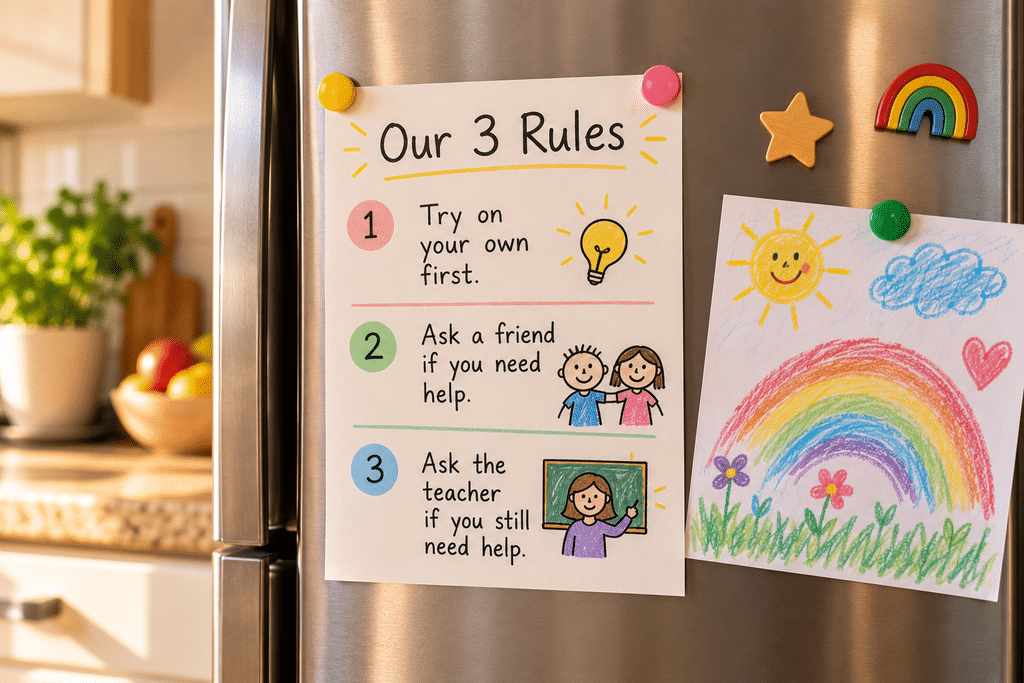
Start with the three-rule method. Pick three house rules and say them aloud during a calm moment. For example: we speak kindly, we put shoes on the shelf, and we turn off screens at 7:30. Write them on a card and stick it on the fridge at your child’s eye level. Single moms who keep the list to three can enforce every rule, and one rule you enforce beats ten rules you forget.
Here is a composite example. Dana, a single mom of two boys, ages five and eight, used to shout “stop fighting” from the kitchen. Nothing changed. She switched to a routine. She walked to the boys, crouched down, and named the problem: “You both want the same truck.” Then she gave a choice: “Take turns with the timer, or the truck goes on the shelf.” In week one, the truck went on the shelf three times. By week three, the boys set the timer themselves. Dana did not get louder. She got more predictable.
Predictable is the key word. Children test rules to learn whether the rules hold. When the answer stays the same, the testing fades. The American Academy of Pediatrics advises parents to avoid spanking and harsh verbal punishment and to use calm, consistent discipline instead. Single moms who follow that advice also save energy, because a calm correction ends faster than a shouting match.
Try this four-step response the next time your child breaks a rule:
- Pause and breathe. One slow breath keeps your voice low.
- Name the behavior. Say “You threw the cup,” not “You’re a bad kid.”
- Give the consequence you already announced. “The cup goes away until dinner.”
- Reconnect. Offer a hug or a quiet minute once your child calms down.
These four steps take about thirty seconds, and single moms can run them in a parking lot, a kitchen, or a hallway.
Guilt makes any parent bend a rule, and when you are the only adult at home, guilt feels louder. Single moms often say yes to a second cookie or a later bedtime because the day felt hard. Notice that urge, and ask one question: “Will this choice help my child tomorrow, or only help me escape tonight?” You can still say yes to the cookie. Just decide on purpose.
Keep consequences short and tied to the action. A child who writes on the wall helps clean the wall. A child who skips homework loses screen time until the homework is done. Short, linked consequences teach the lesson without a long fight, and single moms rarely have time for a long fight. Teachers and grandparents can copy this method when they care for the children of single moms, because the same calm steps work in every room.
Single Moms Can Show Love Without Spoiling or Burning Out
Discipline keeps children safe, and love makes them want to follow the rules. The Harvard Center on the Developing Child reports that children who build resilience usually have at least one stable, committed relationship with a supportive adult. One strong bond matters more than a perfect household, and single moms can offer that bond every day.
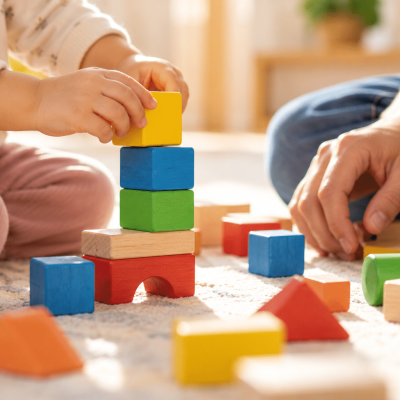
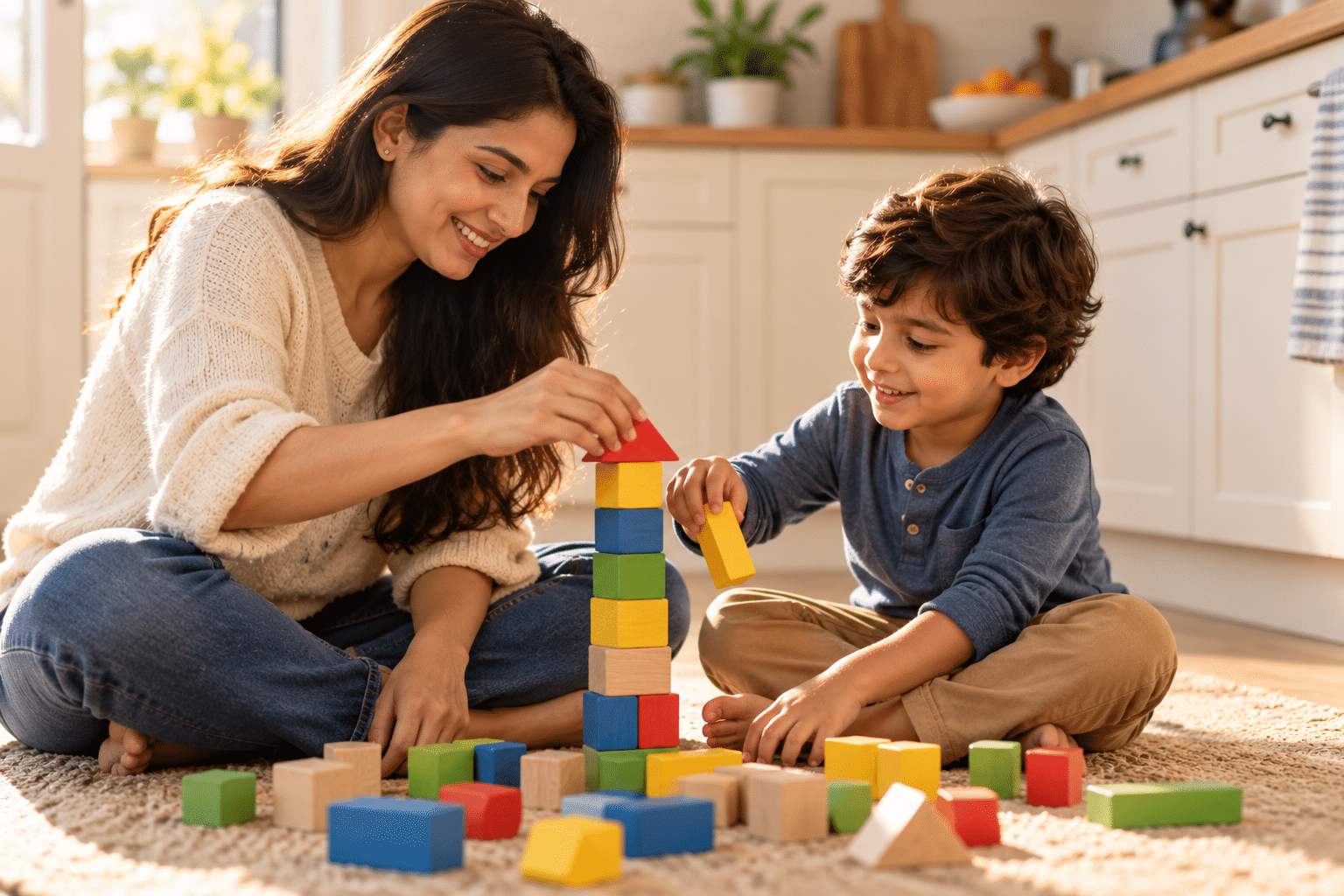
Love does not need big gestures or a big budget. Try the ten-minute rule. Give each child ten minutes of phone-free attention daily, and let the child choose the activity. Build blocks, draw, race toy cars, or just talk. Single moms with two or three children can split the time, even if one slot happens in the car line and another during bath time. Children feel seen when you look at them, so your full attention matters more than the number of minutes.
Praise works best when you name the exact action. “Good job” fades fast. “You packed your own bag, and that saved us five minutes” sticks. Yale psychologist Alan Kazdin teaches that praising the specific behavior you want makes that behavior happen more often. Single moms can use this in every busy moment, because specific praise takes five seconds.
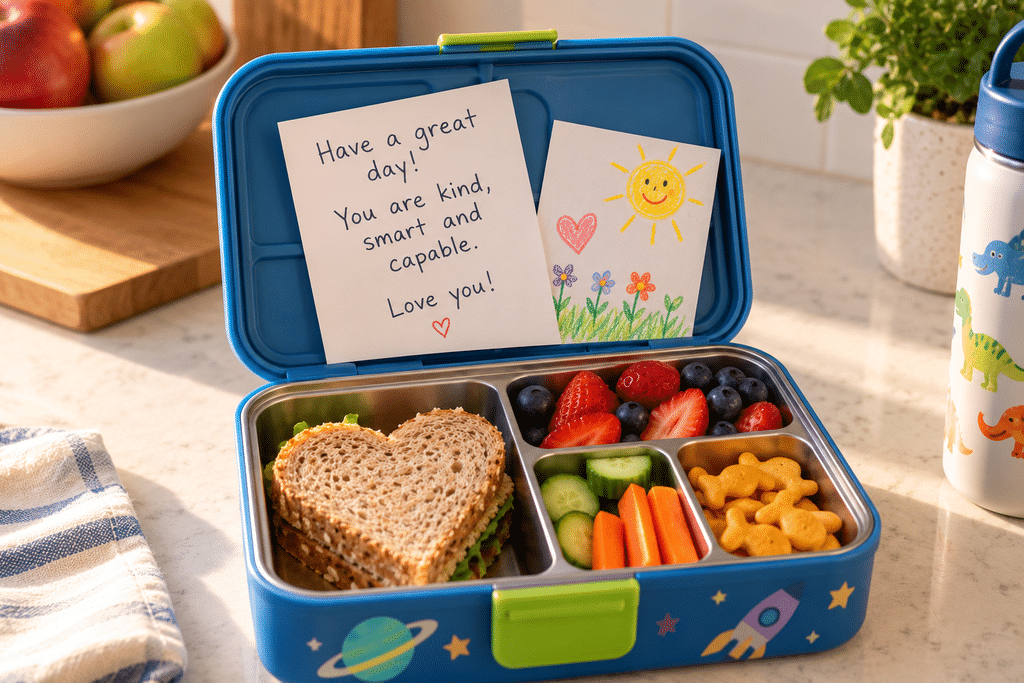
Here is a second composite example. Rosa, a single mom of a six-year-old girl, works late shifts twice a week. She cannot tuck her daughter in on those nights, so she leaves a note in the lunchbox with a small drawing and one sentence: “I’m proud of how you tried the monkey bars.” Her daughter keeps every note in a shoebox. Notes, voice messages, and a shared bedtime song all work for single moms who miss evenings at home. Love at a distance still counts.
Say the words out loud, too: “I love you, and I will always come back for you.” Young children need to hear that sentence often. Avoid heavy lines like “You’re all I have.” Those words place an adult weight on a small child. Say “We are a team” instead.
Loneliness can tempt anyone to lean on a child for comfort. Single moms deserve adult support, and the right place for it is a friend, a relative, a support group, or a counselor. Your child can see that you feel sad sometimes. You can say, “I feel sad today, and I will feel better soon.” Your child should not have to fix it.
Children also ask hard questions about the other parent. Keep answers short, honest, and fit for the child’s age: “Dad is not part of our daily life. That is not because of anything you did.” Do not insult the other parent in front of your child. Even a sigh lands. Single moms who stay calm on this topic give their children one less thing to worry about. One important limit: if abuse or neglect worries you, talk to a lawyer or a child-protection service, because they can guide you better than any article.
Every parent loses patience sometimes, and single moms will too. Developmental psychologist Ed Tronick describes healthy parent-child bonds as a cycle of mismatch and repair, so a perfect day is not the goal. Go back to your child after a hard moment and say, “I yelled, and that was not okay. I’m sorry. Next time I will take a breath first.” Repair takes under a minute, and it shows your child how adults fix mistakes.
Discipline and love work as one system. A child who feels loved takes correction better, and a child who gets calm correction trusts that the love stays. Single moms who hold both together give children a steady base.
Single Moms Build a Team With Grandparents and Teachers
Children spend most of the week with adults beyond their mother. Those adults can steady a child or shake the child, so single moms do best when they invite them in on purpose.
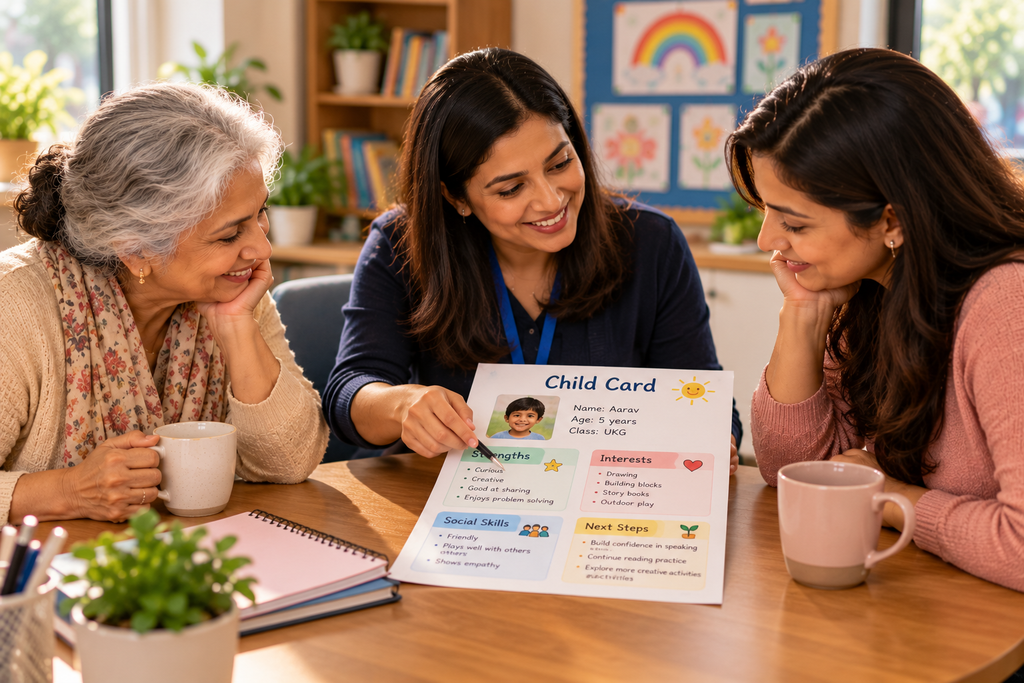
Make a one-page “child card.” Write the three house rules, one calming trick, the bedtime, any allergies, and the words your child uses for big feelings, such as “my tummy feels buzzy.” Give a copy to grandparents, babysitters, and teachers. Single moms who share the same card get the same response from every adult, and children have fewer loopholes to test.
Grandparents, you hold real influence, because children trust you. Back the rules their mother set, even when you would do things differently. Offer practical help: a school pickup, a calm dinner on Tuesdays, a quiet table for homework. Skip comments about what a child “needs” in a two-parent home, because those words hurt the mother and confuse the child. Single moms need allies, not critics. If you disagree with a rule, tell the mother in private and ask a question: “Can we talk about bedtime on Sunday?” Grandparents who help single moms most are the ones who ask “What do you need?” before they offer advice.
Teachers, start with fairness and facts. Do not assume a child’s behavior comes from family structure. Sleep, hunger, stress, and learning needs all shape behavior, so look at the full picture. Ask the mother how she likes to get updates by text, email, or a short call, because single moms often have limited time at fixed hours. Offer conference times early in the morning or in the evening. Send one positive note for every concern.
Here is a third composite example. Mr. Alvarez, a third-grade teacher, emailed one line each Friday to the mother of a boy named Leo: “Today Leo helped a new student find the library.” She replied with a quick thank-you and soon began to share what worked at home. When the mother and the teacher used the same words, “take a break, then try again,” Leo heard one message in both places. Single moms and teachers who trade short, kind notes build trust fast. Teachers who know the family plan help single moms and children at once.
Look beyond family, too. Parents Without Partners, which began in 1957, runs chapters and online groups for single parents. In the United States, dialing 211 connects families with local services such as child care help, food assistance, and counseling. Libraries host free story hours and homework help. Single moms who use these services are not failing. They use the tools that exist.
Trade help with neighbors. A simple deal like “I take Tuesday pickups, you take Thursday” gives each mom two freer evenings. Single moms who trade help with one other family often gain a backup for sick days. Other single moms are often the best source of tips, because they have solved the same problems at the same hours.
New parents, start early. Babies cannot say what they need, so single moms of babies should write down feeding, sleep, and doctor routines in a shared note, so a grandparent or sitter can follow them. Ask for help in specific terms: “Can you hold the baby for thirty minutes while I shower?” Specific requests get more yeses than “I could use a hand.”
Single Moms Protect Their Energy With Simple Routines
A tired parent has less patience. Routines cut the number of decisions you make each day, and fewer decisions leave more patience for your child. Single moms who run on routines spend less time negotiating at the door, the table, and the bed.
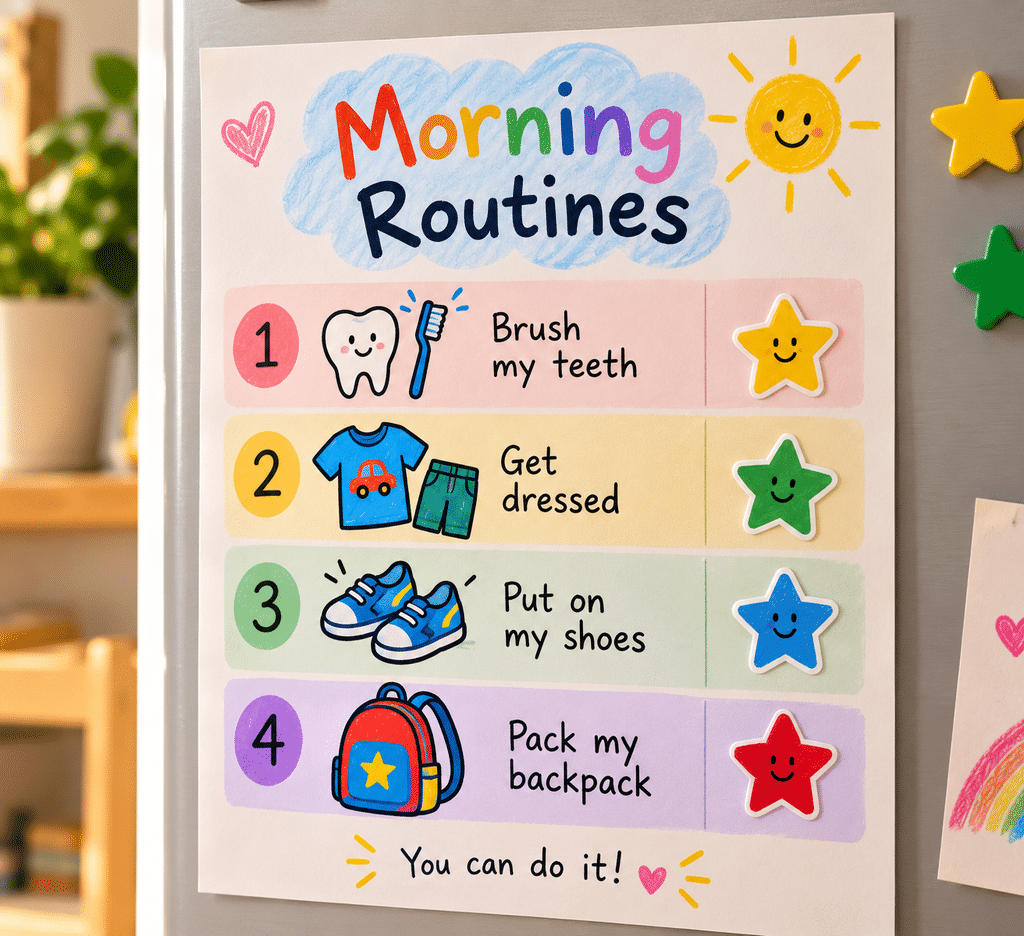
Start with mornings. The night before, lay out clothes, pack bags, and set out breakfast. For children ages 3 to 6, make a picture chart with three or four steps: teeth, clothes, shoes, backpack. Let your child add a sticker after each step. Children age 7 and older can write their own checklist. The chart does the nagging, so you do not have to.
Keep evenings in the same order: dinner, bath, two books, lights out. Sleep matters for both of you. The American Academy of Sleep Medicine, with support from the American Academy of Pediatrics, recommends 10 to 13 hours of sleep for children ages 3 to 5, including naps, and 9 to 12 hours for ages 6 to 12. Single moms who guard bedtime also protect their own evening, because a child asleep on time gives you thirty quiet minutes. Routines also give single moms a predictable end to the day.
Share the work at home. Children ages 3 to 4 can put toys in a bin. Children ages 5 to 7 can set the table or feed a pet. Children ages 8 and older can load the dishwasher or fold laundry. Praise effort, not perfection: “You wiped the whole table. Thank you.” Chores teach responsibility, and single moms should not do everything alone.
Try a Sunday reset. Spend twenty minutes with the calendar, check the school folders, and pick three easy dinners for the week. Single moms can do it with a cup of tea. When the week starts, you already know the plan, and you can give your attention to your child instead of to scrambling.
Here is our last composite example. Keisha, a single mom of three, used to shout at 7:45 every morning while everyone searched for shoes. She started a night-before routine and a picture chart for her youngest. Mornings felt calmer within two weeks, and she stopped dreading the front door. She did not add a single new rule. She moved the work to the evening, when she felt calm.
Money stress touches many families, and single moms can choose free options that still build memories: the library, the park, a living-room picnic, a walk after dinner. Children remember attention, not price tags. Single moms do not need a perfect home. They need a steady one.
Protect your own health, too. Schedule one small thing each week for you: a ten-minute walk, a call with a friend, a longer sleep when someone can cover. Single moms who feel sad most days for two weeks or more, who cannot sleep, or who cannot enjoy anything should talk to a doctor or counselor. Asking for help shows strength, and it models the same habit you want your child to learn.
Finally, review your routines every six months. A chart that works for a four-year-old will bore a seven-year-old. Single moms who update the plan as the child grows keep the system working without starting from scratch.
Single moms do not raise children alone when they build a team, keep rules calm, and say “I love you” out loud. Start tonight with one rule, one ten-minute block of attention, and one text to a person who can help.